
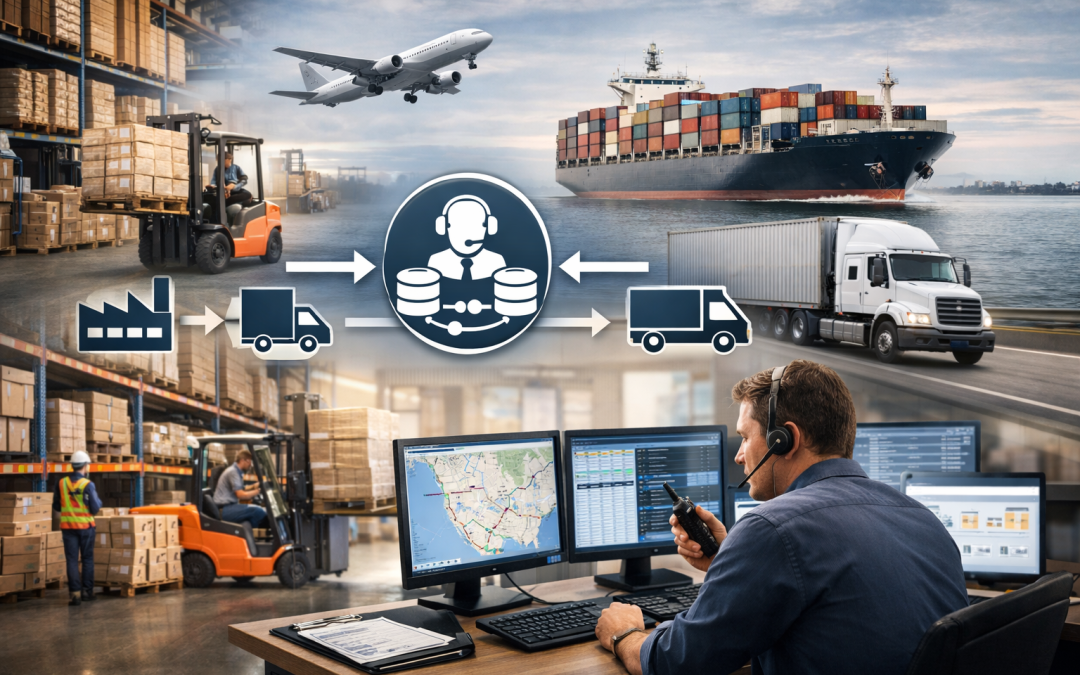
In today’s fast-moving world of e-commerce, manufacturing, and distribution, supply chains are the lifeblood of the global economy. And yet, managing logistics is no small task—that’s why third-party logistics (3PL) brokerages are necessary.
For those who have heard the term “3PL” tossed around in business meetings or freight networks but don’t really know what it means, One Freight Broker is here to discuss it. Here we will break down the meaning of this term and how these brokerages help optimize modern supply chains.
What Does “3PL” Mean?
The term 3PL stands for third-party logistics. It refers to companies that help other businesses manage some or all aspects of their logistics and supply chain operations. To understand the concept better, let’s take a quick look at the “party” structure in logistics:
- First-party (1PL): The manufacturer or producer who owns the goods.
- Second-party (2PL): The carrier or transportation provider that physically moves the goods.
- Third-party (3PL): A middle entity that manages logistics between the first and second party—often handling shipping, warehousing, inventory management, and more.
A 3PL brokerage sits in this third-party space, acting as a connector, not just between shippers and carriers, but also between complex logistics needs and practical solutions. You can think of 3PL brokerages as logistics matchmakers, coordinating the shipment of goods for its clients even without owning trucks, ships, or planes.
These brokerages use their industry expertise and carrier networks to find the most cost-effective ways to move freight from point A to point B. A 3PL brokerage, much like a freight brokerage, will source the right carrier, negotiate rates, manage the shipping process, track the load, and even handle claims if something goes wrong.
For a shipper, it’s like having a personal logistics department without needing to hire one in-house.
The Difference Between a Freight Broker and a 3PL
People often use the terms freight broker and 3PL interchangeably, but they’re not always the same thing. The main reason they are compared is because they both act as intermediaries between shippers and carriers. However, their roles and responsibilities differ in scope and complexity.
A freight broker primarily serves as a matchmaker: they connect shippers who need to move freight with carriers who have available capacity. Brokers don’t take possession of the goods; instead, they facilitate the transaction, negotiate rates, and handle paperwork.
Also known as logistics brokers, freight brokers make sure that loads can reach their destination on time and in good condition.
On the other hand, a 3PL goes beyond arranging transportation. Third-party logistics providers often manage multiple aspects of the supply chain, including warehousing, inventory management, order fulfillment, packaging, and even returns.
They basically serve as an outsourced logistics department for their clients, offering a more comprehensive service. While a freight broker focuses mainly on transportation brokerage, a 3PL integrates technology, infrastructure, and expertise to manage end-to-end logistics operations.
How a 3PL Brokerage Works
Now that we understand what 3PL brokerages are, let’s walk through what actually happens behind the scenes and how they operate:
Step 1: Understanding the Client’s Needs
Everything begins with discovery. The 3PL brokerage takes time to understand the client’s freight requirements: what they’re shipping, where it’s going, delivery timelines, special handling needs, and budget constraints. This information helps shape the strategy for the actual movement of goods. This is how they select the right mode of transportation to ensure reliable delivery at the best possible cost.
Step 2: Matching Freight to Carriers
Once the shipment details are clear, the brokerage uses its carrier network to find the best match. They will typically check details like carrier capacity, pricing, safety records, insurance, and route efficiency. This allows them to pair the load with the most suitable carrier for the job based on the client’s budget and service level.
Most 3PL brokerages today use technological tools and platforms like load boards to quickly identify available carriers. But those with established networks are able to match loads with carriers faster based on their experience working with them.
Step 3: Managing the Shipment
After booking the load, the 3PL team coordinates every aspect of transport, from pickup scheduling to real-time tracking. They monitor the shipment’s progress and ensure compliance with regulations. Just like freight brokers they also provide regular updates to the shipper so that everyone can stay on the same page throughout the shipping process.
For this phase, 3PLs often use transportation management systems (TMS) to provide extra visibility and communication.
Step 4: Problem-Solving and Communication
Delays, weather issues, route changes, mechanical problems—these are common issues that happen regularly in the freight industry even with the best logistics plans. That is why freight brokers and 3PLs are there to step in and troubleshoot as quickly as possible. Part of their job is to minimize the impact of these delays so that freight can get back on track immediately.
Brokers and 3PLs are experts when it comes to anticipating these problems and coming up with alternative solutions on the fly. Their proactive communication minimizes downtime, prevents financial losses, and maintains trust with both the shipper and carrier.
Step 5: Billing and Reporting
Once the shipment is complete, the brokerage handles all back-end administrative work: verifying carrier invoices, managing payments, and ensuring the client receives accurate billing. They also generate performance reports, analyzing cost trends and carrier efficiency. These insights help clients make smarter logistics decisions and identify opportunities to optimize future shipments.
Why Businesses Use 3PL Brokerages
Whether a company ships a few loads a month or hundreds per week, partnering with a 3PL brokerage can streamline operations, lower costs, and provide access to tools and talent that might otherwise be out of reach. Here are the main benefits of working with them:
Cost Savings
Because brokerages work with multiple clients and carriers, they have the buying power to negotiate better rates than most businesses could secure on their own. This lets companies cut transportation expenses without compromising service quality. Additionally, outsourcing logistics eliminates the need to hire internal staff or invest in costly transportation management systems. This further reduces overhead.
Flexibility and Scalability
During peak seasons or unexpected surges, a brokerage can instantly scale operations by tapping into its extensive carrier network. Similarly, when shipping volumes drop, companies can easily scale back without being stuck with unused trucks or fixed costs. This flexibility makes 3PL brokerages especially valuable for growing or seasonal businesses that need to stay adaptable.
Access to Expertise
It’s no secret that the logistics landscape can be complex, especially when you’re dealing with multiple carriers, regulations, and fluctuating fuel prices. 3PL brokerages bring years of industry experience and deep carrier relationships to the table.
Their teams understand route optimization, freight classifications, and compliance requirements, ensuring shipments move not just efficiently but also legally. With their help, businesses can avoid costly mistakes and keep deliveries on schedule.
Challenges 3PL Brokerages Face
While 3PL brokerages play an important role in keeping supply chains running smoothly, the industry is far from easy. Here are some of the most common challenges these companies face in today’s logistics landscape:
Market Volatility
The freight market is highly unpredictable. Fuel prices, seasonal demand spikes, driver shortages, and economic shifts can all impact capacity and pricing overnight. For 3PLs, this means they have to constantly adjust their strategies or renegotiate rates. Those unable to anticipate or adapt to market swings risk losing business to more flexible competitors.
Carrier Relationships
Long-term success in this business is all about networking. Strong relationships with reliable carriers are therefore the backbone of any successful brokerage.
With that said, maintaining those partnerships can be difficult, especially when load volumes fluctuate or pricing becomes tight. Carriers want consistent work and fair pay, while brokers need to balance customer expectations and profit margins.
Without open communication, mutual trust, and prompt payment practices, 3PLs can quickly lose access to quality carriers, putting their business at risk.
Technology Integration
Modern logistics runs on data and automation, but not every 3PL has the right tools—or the expertise—to integrate new systems effectively. Implementing transportation management systems, visibility platforms, and AI-driven analytics requires investment and training. If poorly integrated, technology can just create more bottlenecks than it solves.
Successful 3PLs know that digital transformation isn’t just about software: it’s about creating a seamless flow of information that empowers both customers and carriers.
Work with One Freight Broker
Overall, a 3PL brokerage is a middleman in the freight industry—but they are also so much more than that. They are strategic partners when it comes to logistics. In a world where time, cost, and reliability make all the difference, a 3PL brokerage provides the flexibility and expertise that modern businesses need to stay competitive.
For those who need reliable freight transportation services, work with One Freight Broker.
One Freight Broker is known for its inclusive approach that reduces client dependence on intermediaries. Since our founding in 2013, we have significantly reduced shipping costs for our partners, amounting to tens of millions in savings, by allowing them to build direct, beneficial, and enduring connections with dependable trucking allies. We pass on high-volume discounts to our shipping partners and that is why we are now the go-to choice for shippers everywhere.
At One Freight Broker, we navigate the intricate landscape of the freight industry, connecting shippers and carriers to ensure seamless transportation of goods. Our wide service range includes LTL to FTL, domestic to international, and even expedited shipping options. We also offer competitive pricing and technology-driven solutions.
At One Freight Broker, we’re committed to providing tailored logistics solutions that align with your shipping costs and needs. Our deep industry knowledge and network of reliable carriers ensure your freight is in expert hands, whether you’re navigating domestic shipments or exploring international logistics. Let us help you streamline your logistics for maximum efficiency and cost-effectiveness.
Contact us at 800.716.7608 for expert guidance and to ensure your shipments reach their destination safely and on time.
Contact Us Today
Ready to simplify your shipping experience? Contact One Freight Broker to discover how our expertise can benefit your business, ensuring your cargo is in safe hands every step of the way.
For more information on how we can assist your business, visit our website at 1fr8.broker.