
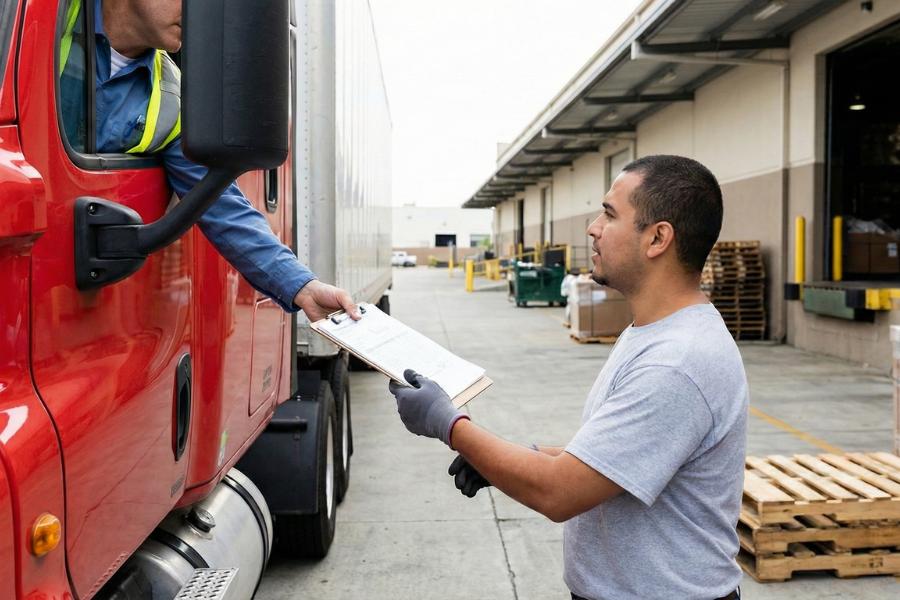
Finding consistent loads for a box truck is one of the biggest challenges facing small fleets and owner-operators. Load boards can help fill gaps, but they rarely support long-term stability or fair pricing. This guide explains how freight brokers, transparency, and lane strategy create sustainable box truck freight.
Why Load Boards Alone Are Not a Long-Term Solution
Load boards are designed for spot coverage, not stability. Rates fluctuate daily, and the lowest bid often wins regardless of service quality.
Price Volatility and Rate Pressure
Box truck operators often see rates drop during soft markets. Competition increases, margins shrink, and planning becomes difficult. This volatility makes it hard to forecast revenue or invest in equipment.
Limited Visibility Into Shipper Needs
Load boards do not explain why freight moves, how often it repeats, or what service levels matter. Without that context, operators chase transactions instead of building relationships.
Working With a Freight Broker That Understands Box Trucks
A freight broker connects shippers and carriers, but not all brokers operate the same way. The structure of the brokerage determines whether the relationship helps or hurts operators.
What a Trucking Broker Actually Does
A trucking broker sources capacity, manages pricing, and coordinates service. For box trucks, this includes urban delivery, time-sensitive freight, and specialized accessorials.
Why Transparency Matters in Brokerage
Opaque brokers profit from the spread between shipper and carrier rates. Transparent freight brokerage removes that conflict by disclosing pricing and carrier details upfront.
How Transparent Freight Brokerage Helps You Secure Better Loads
Transparent freight brokerage changes how freight is priced, sourced, and managed. Instead of treating capacity as a commodity, it aligns shippers and carriers around shared incentives and clear information. This approach creates more consistent freight opportunities, better service outcomes, and fewer surprises for everyone involved.
Low Fixed Margin Pricing Explained
Low fixed margin pricing means the broker earns a pre-agreed fee on each load, regardless of the carrier’s rate. The margin does not expand or contract based on market conditions. This removes the incentive to manipulate pricing during tight capacity or volatile spot markets.
For shippers, this structure stabilizes costs and improves budgeting. For carriers, it reduces rate pressure and builds trust. Loads are awarded based on service fit and performance, not on who accepts the lowest possible rate on a given day.
Carrier Name and Rate Disclosure
Carrier name and rate disclosure gives shippers full visibility into who is moving their freight and at what cost. Instead of an anonymous transaction, each load becomes a known relationship. This transparency improves accountability on both sides of the move.
When carriers know their name and rate are disclosed, service levels improve. On time pickup, communication, and detention management matter more because performance is visible. Over time, this leads to repeat freight and stronger lane consistency.
Asset Based Carrier Sourcing
Asset based carrier sourcing focuses on fleets that operate their own equipment rather than brokers re-brokering loads. These carriers control their drivers, trucks, and schedules. That control translates into more reliable execution, especially on repeat lanes.
By sourcing asset based carriers, transparent brokers reduce claims, missed pickups, and last-minute falloffs. Shippers benefit from predictable service, while carriers gain access to freight that matches their operating model. The result is better load quality and longer-term lane stability.
Contract vs Spot Freight for Box Truck Operators
Not all freight should be contracted, but relying only on spot loads limits growth.
When Spot Freight Makes Sense
Spot freight works for backhauls or seasonal surges. It offers flexibility but little predictability.
Building Dedicated Lanes Through Contracts
Contract freight creates stability. Performance data, on time delivery, and communication help secure repeat box truck lanes that support consistent revenue.
Operational Programs That Create Consistent Box Truck Freight
Programs designed for efficiency improve service and retention.
Drop Trailer Programs
Drop trailer programs reduce wait time and increase daily utilization. They are especially effective for box trucks servicing regional distribution centers.
Lane Profiling and Carrier Scorecards
Lane profiling matches the right carrier to the right lane. Scorecards track performance, detention, and claims, which supports fair renewals.
Accessorial Transparency and Detention Control
Clear accessorial policies prevent disputes. Transparent detention tracking improves driver satisfaction and on time performance.
How to Avoid Back Solicitation and Bad Broker Relationships
Not all contracts protect both parties.
Understanding Back Solicitation Clauses
Back solicitation clauses prevent carriers from working directly with shippers. Transparent brokers limit these clauses and focus on value, not control.
Choosing Brokers That Protect Both Sides
Look for brokers that disclose terms, pricing, and carrier expectations upfront. This reduces conflict and improves retention.
Real-World Example: Building a Stable Box Truck Lane
A regional food distributor needed consistent box truck coverage for a 250-mile loop with three weekly runs.
Lane Setup and Pricing Structure
The broker disclosed the carrier rate and fixed margin. The carrier completed a trial period with performance tracking.
Performance Results and Service Improvements
On time delivery improved, detention fell, and the lane moved to a six-month contract with rate stability.
What to Look for in a Freight Broker You Can Trust
Trust is built through process and proof.
Vetting, Safety, and Insurance Checks
Verify DOT authority, insurance, safety ratings, and compliance before onboarding carriers.
Communication, Data, and Accountability
Reliable brokers provide scorecards, clear communication, and documented results.
Final Takeaway for Box Truck Operators and Shippers
Getting loads for a box truck requires more than chasing spot freight. Transparent freight brokerage, fixed margins, and dedicated lane strategy create consistency and trust.
To request a transparent quote or learn more, visit Request a Quote.