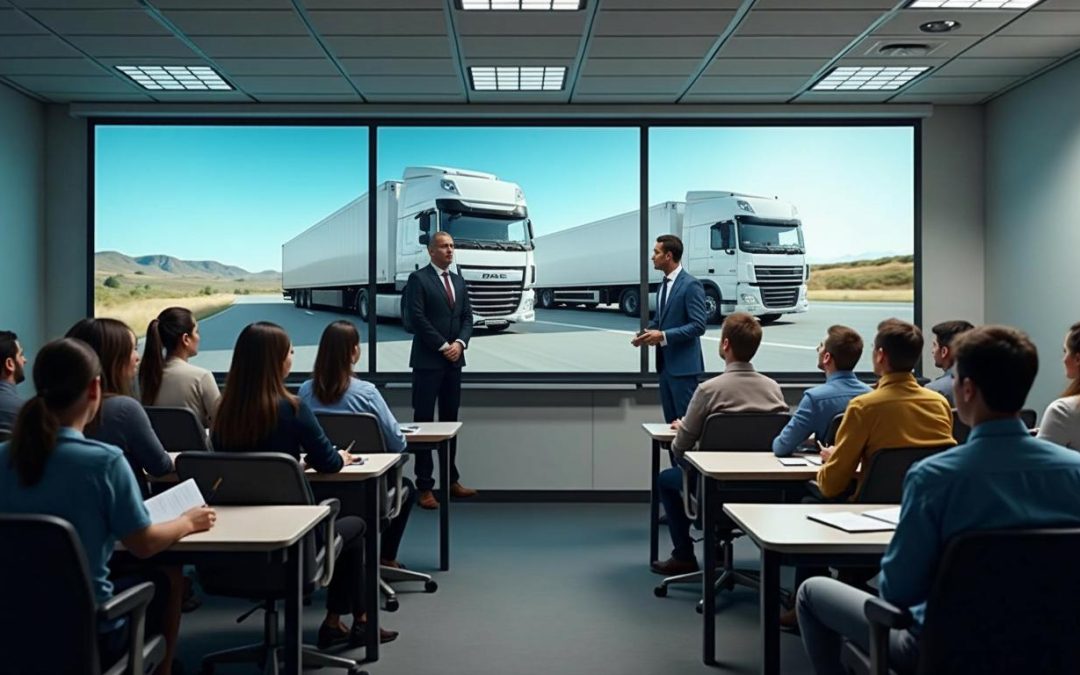
Training to become a freight broker in Houston gives you a foundation in logistics, carrier sourcing, and industry operations. Houston’s freight ecosystem means opportunities for new brokers and agents alike.
What is Freight Broker Training in Houston
Freight broker training in Houston refers to structured education designed to prepare individuals for work in freight brokerage and logistics coordination. These programs teach how freight moves across the United States, how shippers and carriers interact, and how brokers operate between them. Training typically covers freight terminology, pricing fundamentals, carrier sourcing, load planning, and basic compliance requirements tied to FMCSA broker authority. Some programs focus on entry-level knowledge, while others emphasize hands-on brokerage operations using real market examples. In a city like Houston, training often reflects active freight lanes, port activity, and regional carrier networks, which helps ground the material in real conditions rather than theory alone.
At its core, freight broker training helps reduce the learning curve in an industry that is fast paced and operationally complex. New brokers must understand contracts, insurance requirements, documentation, and daily execution details that are not intuitive without guidance. Training programs often simulate broker workflows such as posting loads, vetting carriers, negotiating rates, and managing shipment exceptions. For many participants, the value lies not just in information, but in context. Training explains why decisions are made, not just how. In Houston, where freight volumes are high and capacity conditions change quickly, training that reflects real market behavior can better prepare students for what they will face once they begin working with shippers and carriers.
A second benefit of freight broker training is exposure to industry standards and risk management practices. New entrants often underestimate the importance of compliance, carrier qualification, and documentation accuracy. Training typically introduces concepts such as safety ratings, insurance certificates, detention, accessorial charges, and claims prevention. These topics are critical for protecting both the broker and the shipper relationship. In Houston’s market, where freight ranges from dry van and flatbed to reefer and energy-related cargo, training also helps participants understand how requirements differ by equipment type. By learning these distinctions early, trainees can avoid costly mistakes and develop more disciplined operating habits from the start.
Why Houston is a Strategic Place for Freight Brokerage
Houston is one of the most important freight markets in North America, which makes it a strategic location for freight brokerage training and operations. The city sits at the intersection of major interstate highways, rail networks, ports, and industrial corridors. The Port of Houston is one of the busiest ports in the United States, handling containerized cargo, bulk commodities, and energy products. This concentration of freight activity creates consistent demand for brokers who understand how to move goods efficiently across modes and regions. Training in Houston benefits from this environment because examples and case studies reflect real, active supply chains rather than hypothetical scenarios.
The diversity of freight moving through Houston also makes it a valuable learning market. Brokers working in the region encounter a wide range of equipment types including dry van, reefer, flatbed, and specialized equipment tied to construction and energy projects. This exposure helps trainees understand how pricing, capacity, and service expectations vary by freight type. Seasonal swings, port congestion, and weather events also influence Houston lanes, offering practical lessons in market volatility and contingency planning. Training programs that draw from this market can teach students how to adapt to changing conditions rather than relying on static rules.
Another strategic advantage of Houston is the density of carriers and logistics companies operating in the region. A large carrier base means more opportunities to learn about carrier vetting, safety evaluation, and relationship management. Trainees can see how asset-based carriers operate differently from spot market capacity and why long-term lane planning matters. Houston’s role as a distribution hub also exposes brokers to dedicated routes, drop trailer programs, and high-volume contract freight. For anyone planning to work in brokerage, learning in a market where these practices are common provides a more realistic foundation than training based solely on smaller or less complex regions.
Who Should Consider Training
Freight broker training is well suited for individuals who want to enter the logistics industry with a clearer understanding of how brokerage actually works. This includes people changing careers, recent graduates, and professionals from adjacent fields such as sales, supply chain, or transportation operations. Training can also benefit those who plan to start a brokerage business and want to understand regulatory requirements, pricing mechanics, and daily execution before applying for FMCSA authority. For these individuals, training helps reduce trial-and-error learning, which can be costly in both time and money.
Training is also relevant for people considering a freight broker agent role rather than opening a brokerage. Agents work under an existing broker’s authority, but still need strong operational knowledge to succeed. Understanding carrier sourcing, lane pricing, and shipper expectations is critical regardless of whether someone operates independently or as part of a larger organization. Houston-based training can be particularly helpful for agents who plan to focus on regional or port-related freight, since it provides insight into local market dynamics and customer needs.
Finally, freight broker training can be valuable for logistics professionals who already work with freight but want a deeper understanding of brokerage mechanics. This includes shippers, transportation coordinators, and procurement staff who interact with brokers regularly. Training helps these professionals understand how rates are built, how capacity is secured, and where risks typically arise. In Houston’s complex freight environment, having this knowledge can improve communication, decision making, and overall supply chain performance. Even for experienced professionals, structured training can fill gaps that on-the-job experience alone may not address.
Types of Freight Broker Training Options
There are several paths to learning.
Hands-On and Classroom Training
Courses like LoadTraining immerse you in real brokerage tasks. You work with live load boards and interact with shippers and carriers. LoadTraining
Online and Self-Paced Courses
Online programs let you learn modules on your timeline. They cover fundamentals and broker operations.
University and Continuing Education Programs
Universities offer professional development freight broker courses. These mix industry theory with practical assignments. University of Houston
Apprenticeship and On-the-Job Routes
Some training organizations partner with brokerages, giving trainees real experience.
What You Learn in Freight Broker Training
Training typically spans core domains.
Industry Fundamentals: FMCSA Authority, Bonds, Licensing
You learn how to secure the FMCSA freight broker license, surety bonds, and processing agent filings.
Operations and Technology Tools
Training covers load boards, TMS, rate tools, and shipment tracking workflows.
Sales, Procurement, and Negotiation Skills
You practice negotiating rates with shippers and carriers, and pricing freight competitively.
Compliance and Risk Management
Shipping rules, insurance, safety ratings and documentation are critical topics.
Licensing and Certification Requirements in Texas
Before brokering freight, you must obtain authority from the FMCSA and meet bond requirements. Training gives you clarity on steps like BOC-3 and surety bonds.
Cost, Time, and ROI of Training
Typical programs range from a few hundred to a few thousand dollars depending on format. Houston-based classes often last a few days to several weeks.
How to Choose the Right Training Program
Match your goals with program strengths. Hands-on courses boost practical readiness. Online courses offer schedule flexibility.
Next Steps After Training
Once trained, apply for licensing, start as a freight agent if preferred, and build transportation skills like route guide development and carrier performance scorecards.
FAQs About Freight Broker Training Houston
Is training required to get licensed?
No, but it accelerates your business readiness and confidence.
How long does training take?
Courses vary from a few days to several weeks.
Can I broker freight from home?
Yes, many brokers start remotely.
To request a transparent quote or learn more, visit 1fr8.broker.