
Booking loads is at the heart of being a freight broker. It’s a skill that can keep your carriers busy, your shippers satisfied, and your business alive. But for many new brokers—and even some experienced ones—booking loads is easier said than done.
Between building your network and handling all your responsibilities as a broker, it can easily get overwhelming. This is why One Freight Broker has created a guide that will walk you through how to book loads step by step, covering some of the most important strategies, tools, and tips that you need to use to make your freight brokerage profitable. Let’s take a closer look.
Why Booking Loads is the Core of Freight Brokering
At its core, a freight broker’s job is simple: connect shippers who need goods moved with carriers who have the capacity to move them. But the challenge is doing this consistently, profitably, and in a way that keeps all parties happy.
Booking loads is therefore a broker’s bread and butter. Without loads, you don’t generate revenue. Without consistent revenue, you can’t grow. And without growth, you’ll struggle to stay competitive in this fast-paced industry.
In other words: if you can’t book loads, you don’t have a business. Now let’s dive into specific steps you can take to book more loads consistently:
Step 1: Understand the Freight Broker Workflow
Before you can start booking loads, you need to understand your workflow as a freight broker.
The process typically begins when a shipper has freight that needs to be moved. The broker’s job is to not only connect that shipper with a qualified carrier, but also to handle the logistics of the process so that both parties can focus more on their core operations.
A broker’s goal is to make sure the load is delivered safely and efficiently. To accomplish this, they need to quote rates, find available trucks, vet carriers for compliance, coordinate the details of pickup and delivery, and even solve problems as they arise.
Once the freight is in transit, the broker also acts as the point of contact between the shipper and carrier, handling updates and keeping everyone on the same page.
Step 2: Build Strong Shipper Relationships
While there are many ways to secure loads, long-term success in this industry hinges on direct relationships with shippers. That’s where the most consistent and profitable loads come from.
Shippers want brokers they can trust to move their freight quickly, safely, and at a fair price. Unlike one-off transactions, strong relationships lead to consistent freight opportunities, repeat business, and even word-of-mouth referrals.
If you can show shippers that you understand their needs and can deliver on promises, you’ll set yourself apart from the thousands of brokers competing for their loads. This means providing clear communication, proactive updates, and quick problem-solving when issues arise during shipping. Every successful load strengthens the relationship and makes it easier to win the next one.
Know Your Niche
Not every broker can—or should—serve every type of freight. Shippers also tend to prioritize brokers who specialize in a specific niche because it shows expertise and efficiency.
Whether it’s refrigerated goods, flatbeds, or LTL shipments, finding a niche allows you to understand the unique challenges, pricing, and solutions shippers in that space need. When you position yourself as an expert in a particular area, clients are more likely to trust you with their freight instead of a generalist broker who spreads themselves too thin. When the market gets tight, shippers call brokers they trust.
Step 3: Master Load Boards
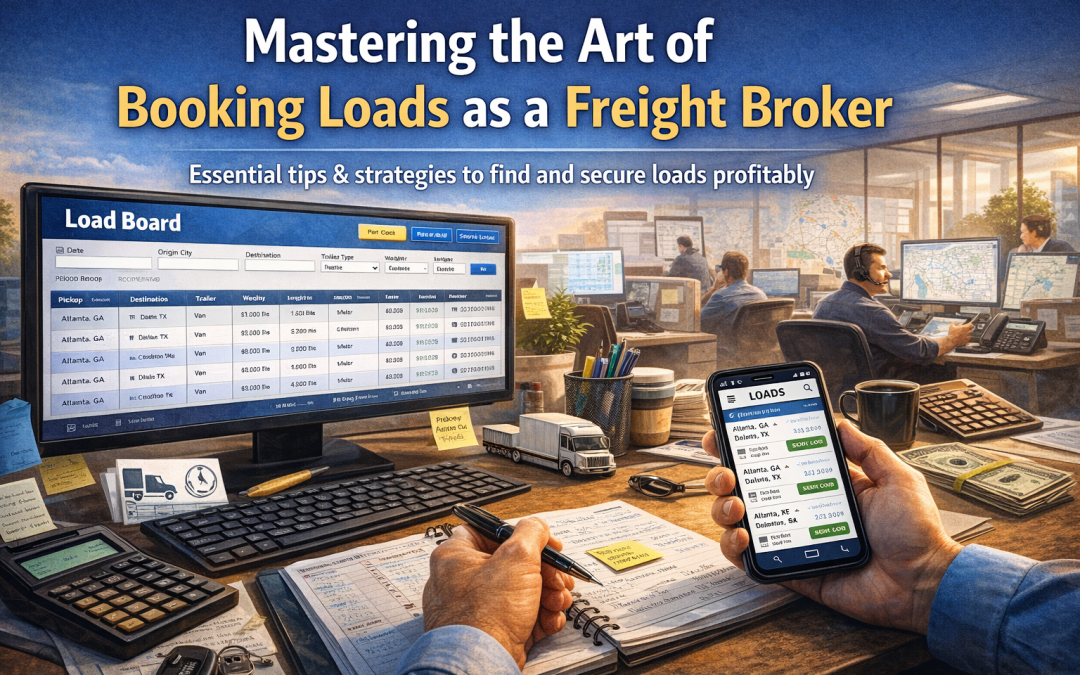
Even with shipper relationships, a lot of brokers still rely on load boards, but especially those who are only starting out. Load boards are online marketplaces where shippers and brokers post freight, and carriers look for available loads. These platforms are the lifeblood of a freight broker’s daily operations, serving as a space for them to meet with shippers and carriers.
To use load boards successfully, you need to go beyond just posting loads: you need to learn how to analyze and leverage these platforms to your advantage. That means understanding market trends, watching rates fluctuate in real time, and identifying which lanes are “hot” with high demand.
The more familiar you are with the patterns on these platforms, the quicker you can spot opportunities and negotiate competitive deals.
Some popular load boards worth exploring include:
- DAT Load Board
- Truckstop.com
- 123Loadboard
- Direct Freight
Load boards are competitive, but they’re also a goldmine when used strategically. Keep in mind that strong load board usage isn’t just about speed; it’s about gradually building credibility. Posting clear, accurate details—such as weight, dimensions, pickup and delivery times, and rate expectations—will help you earn trust from carriers. Consistently offering fair rates and communicating promptly also makes carriers more likely to choose your loads over others.
Step 4: Negotiate Like a Professional
Booking loads is all about making sure the numbers work. The art of negotiation separates brokers who scrape by on razor-thin margins from those who can build sustainable businesses.
Negotiating with Shippers
- Research current lane rates before quoting.
- Don’t underbid just to win a load—you’ll lose money when carriers won’t move it.
- Position yourself as a service provider, not just a middleman.
Negotiating with Carriers
- Start with the going rate but leave room to adjust.
- Respect the carrier’s perspective—fuel costs, deadhead miles, and time matter to them.
- Build loyalty with fair rates; carriers remember brokers who squeeze them too hard.
When negotiating rates, your goal shouldn’t be just to “win”. It should be to find a number that works for both sides while leaving room for your own margin.
Step 5: Vet and Onboard Carriers
Another important step when booking loads is assigning them to the right carriers. Freight brokers need to be able to confidently assign loads—and this means you have to make sure you are working with reliable and compliant carriers.
You can check their FMCSA authority, safety rating, insurance coverage, and even their past performances. The top brokers in the industry reached their position by building a network of trusted carriers. For your brokerage to succeed, every new partner must pass through a strict verification process.
Working with trustworthy trucking companies also reduces risks like cargo theft, late deliveries, or liability issues. Taking the time upfront to thoroughly screen carriers can save you a lot of headaches in the long run, protecting your shipper’s freight and your brokerage’s reputation.
Work with One Freight Broker
Booking loads in the freight industry is part art, part science. The process requires planning, speed, negotiation skills, industry knowledge, and networking. Technology is also quickly reshaping the freight world, so you need to adapt just as fast.
One thing that hasn’t changed is that brokers who consistently deliver results always win. Whether you’re just getting started or looking to refine your skills, remember that every load you book is an opportunity to prove your value. Do it right, and your reputation will bring you more freight than you can handle.
If you are in need of reliable freight transportation services, choose One Freight Broker.
One Freight Broker has become the go-to choice for shippers everywhere. This is thanks to our unique approach that enables our shipping partners to build direct, beneficial, and enduring connections with dependable trucking allies. We pass on high-volume discounts to our clients by reducing their dependence on intermediaries.
One Freight Broker is also known for our exceptional customer service, technology-driven solutions, and wide service range. We can cover everything you need, whether it’s LTL to FTL, domestic to international, or expedited shipping.
When you partner with One Freight Broker, you gain access to a vast network of carriers, competitive rates, and a team of experts dedicated to optimizing your shipping process. Whether you’re shipping domestically or require assistance with more complex logistics, we’re here to ensure your freight reaches its destination efficiently and cost-effectively.
Contact us at 800.716.7608 for expert guidance and to ensure your shipments reach their destination safely and on time.
Contact Us Today
Ready to simplify your shipping experience? Contact One Freight Broker to discover how our expertise can benefit your business, ensuring your cargo is in safe hands every step of the way.
For more information on how we can assist your business, visit our website at 1fr8.broker.